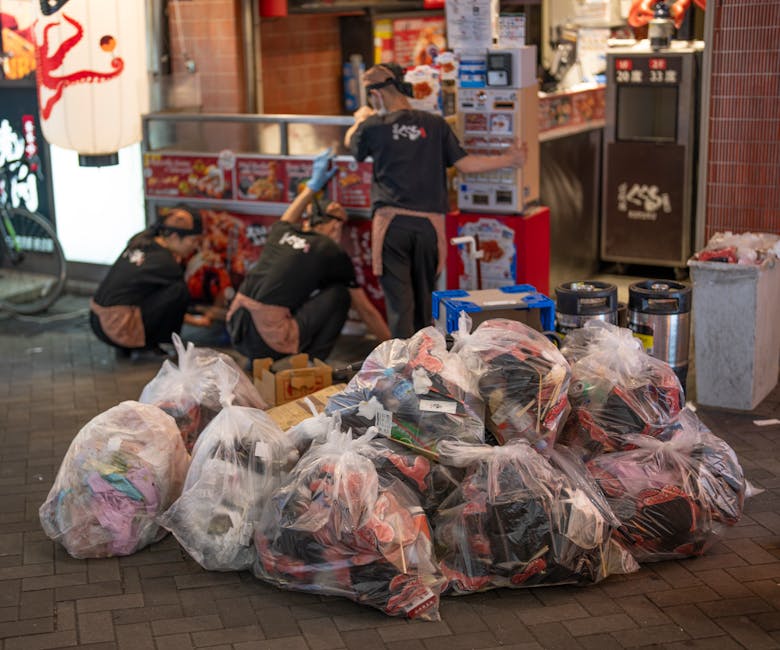
Affordable commercial rubbish clearance for Kings Langley shops
If you run a shop in Kings Langley, you already know rubbish has a habit of building up quietly and then becoming a problem all at once. Cardboard by the back door, broken shelving after a refit, old stock packing materials, a fridge that stopped working on a busy Friday. It is not glamorous, but it is part of keeping a retail space tidy, safe, and open for business.
Affordable commercial rubbish clearance for Kings Langley shops is about more than getting rid of waste cheaply. It is about keeping disruption low, protecting staff and customers, and choosing a clearance approach that makes business sense. In this guide, we will look at how the service works, what to expect, where the costs usually come from, and how to avoid the little mistakes that end up costing more later. Let's face it, nobody wants a cluttered stockroom and a surprise bill.
Table of Contents
- Why affordable commercial rubbish clearance matters
- How commercial rubbish clearance works
- Key benefits and practical advantages
- Who this is for and when it makes sense
- Step-by-step guidance
- Expert tips for better results
- Common mistakes to avoid
- Tools, resources and recommendations
- Law, compliance, standards and best practice
- Options, methods and comparison table
- Case study or real-world example
- Practical checklist
- Conclusion
- Frequently asked questions
Why Affordable commercial rubbish clearance for Kings Langley shops Matters
Retail spaces run on impressions. Customers notice a clean entrance, a clear stockroom, and a back-of-house area that does not feel like a storage cave. They also notice the opposite. A stack of unwanted boxes near the till, damaged display units in a corridor, or a bin store that is overflowing can make a shop feel neglected, even if the products and service are excellent.
Affordable clearance matters because most shop owners do not need waste removal every day, but they do need it to be reliable when it is needed. That might be after a delivery surge, a mini refurbishment, a seasonal changeover, or a stock clean-out. The aim is simple: remove the rubbish quickly, keep the costs sensible, and avoid staff spending hours on jobs that pull them away from customers.
There is also the practical side. Commercial waste left too long can create trip hazards, make fire exits harder to manage, attract pests, and get in the way of deliveries. In busy trading periods, even a small pile-up becomes annoying fast. You can almost hear the cardboard crunching underfoot. Not ideal.
Expert summary: For shops, the best clearance service is usually the one that keeps trading smooth, handles mixed waste properly, and charges in a way that matches the amount actually removed. Cheap is useful. Cheap and organised is better.
How Affordable commercial rubbish clearance for Kings Langley shops Works
Commercial rubbish clearance is usually straightforward, but the details matter. A good provider will ask what you need removed, how much there is, whether the waste is bulky or mixed, and whether anything requires special handling. That first conversation is where cost and convenience are often decided.
For Kings Langley shops, the process normally follows a simple pattern:
- You describe the waste, ideally with a few photos if requested.
- A price or estimate is provided based on volume, access, labour, and waste type.
- A collection time is arranged to suit your trading hours where possible.
- The team arrives, loads the waste, and clears the area.
- The waste is sorted for reuse, recycling, or disposal depending on the materials involved.
The best part, from a shop owner's point of view, is that you are not having to manage skips, permits, or several different contractors for one job. For many businesses, that simplicity is what makes the service feel affordable in real life, not just on paper.
Where it gets more nuanced is in the type of rubbish. A shop clearance might include old display stands, packing waste, damaged stock, broken office chairs, confidential paper, shelving, fridges, or even waste from a fit-out. Different items can affect how a job is handled. For example, a standard cardboard-and-packaging clear-out is very different from a mixed load that includes electricals or hazardous items.
If you are already dealing with broader business waste, it can help to read the details of business waste removal and compare it with a one-off clearance. Sometimes a regular collection arrangement makes more sense. Sometimes you just need a single reset. Both are valid.
Key Benefits and Practical Advantages
The most obvious benefit is time. Shop staff should be serving customers, checking deliveries, tidying displays, and keeping the tills moving. They should not be dragging broken fixtures to the back alley on a lunch break. That sounds obvious, but it is one of the most common hidden costs in retail waste.
Other advantages are less obvious until you need them:
- Cleaner presentation: A tidy shop feels calmer, safer, and more professional.
- Better use of storage: Clearing dead stock or old fixtures opens space for profitable items.
- Lower disruption: A clearance team can often work around trading hours.
- Reduced manual handling: Less risk of staff hurting themselves moving heavy or awkward waste.
- More predictable costs: You can often pay for the amount removed rather than arranging a full skip.
- Improved sustainability: Responsible sorting means more items can be reused or recycled.
There is also a subtle business benefit that people sometimes overlook: decision clarity. Once the clutter is gone, it becomes much easier to see what needs repairing, replacing, or re-merchandising. A messy stockroom hides problems. A cleared stockroom reveals them. Not always fun, but useful.
For shops that are updating interiors or replacing fittings, it can be worth looking at related services such as furniture disposal or furniture clearance if old counters, chairs, shelving, or display units are part of the job.
Who This Is For and When It Makes Sense
This kind of clearance is a fit for many local retail businesses, not just the biggest ones. In fact, smaller shops often benefit most because they have less spare space and fewer hands to spare.
It makes sense if you run:
- high street retail shops
- convenience stores
- pet shops
- gift shops
- salons and beauty shops
- pharmacies or health product stores
- takeaway counters with back-room storage waste
- independent boutiques
- small showrooms
Typical situations include:
- seasonal clear-outs before new stock arrives
- shop refits or refreshes
- post-delivery packaging overflow
- old shelving or damaged fittings
- end-of-line stock that cannot be sold
- moves between premises
- de-cluttering after a busy trading period
To be fair, some businesses wait too long and then try to solve weeks of buildup in one afternoon. That can work, but it often means more labour and more stress. If rubbish is beginning to interfere with access, storage, or customer flow, that is the point to act.
Step-by-Step Guidance
If you want the process to stay affordable, a bit of preparation goes a long way. You do not need to become a waste expert. Just be organised enough to avoid wasteful delays.
1. Separate what is going
Walk through the shop and mark out what truly needs removing. Keep reusable items, returns, and anything that still has resale value separate. One of the biggest mistakes is throwing everything into the same pile and paying for items that did not need clearance at all.
2. Identify waste types
Cardboard, mixed rubbish, broken furniture, appliances, and confidential paper should not all be treated the same. If you have fridges, freezers, or other electrical items, note them early. If there is anything sharp, heavy, or awkward, mention it. That honesty usually saves time later.
3. Take a quick photo set
A few clear photos help the provider judge volume and access. Include wider shots, any stair access, rear entrances, and the item pile itself. It sounds small, but it avoids surprises. Nobody likes a "thought there was one van load" moment when it is clearly three.
4. Choose a time that suits trading
Many shop clearances are easier before opening, after closing, or during quieter midweek periods. If your shop is busy on weekends, say so. A little scheduling flexibility can make the whole process feel calmer and cheaper.
5. Confirm what is included
Check whether labour, loading, disposal, recycling, and VAT are included in the quote. Also ask how pricing changes if the load turns out to be larger than expected. A transparent provider should explain this clearly, not bury it in vague wording.
6. Clear access ahead of arrival
Move customers' items, unlock side doors if needed, and keep the route clear. If the clearance team can get in and out smoothly, the job is usually quicker. That is the sort of thing that saves money without much effort.
7. Ask for the right proof
For business waste, sensible documentation matters. Ask for confirmation of collection and any basic paperwork the service provides. Keep it with your business records. It is just sensible housekeeping, really.
Expert Tips for Better Results
Here is the honest bit: the cheapest quote is not always the most affordable job. The most affordable job is the one that is done once, done properly, and does not create extra admin, extra labour, or a second visit.
A few practical tips make a noticeable difference:
- Sort your waste before collection day. Mixed piles take longer to assess and load.
- Separate reusable fittings from actual waste. A scratched shelf may still be usable somewhere else.
- Avoid blocking the route. If the team has to move items twice, you are paying for inefficiency.
- Keep hazardous items flagged clearly. Paint tins, solvents, chemicals, and damaged electricals need caution.
- Book before the pile becomes urgent. Emergency clearances usually cost more, or at least feel like they do.
One small but helpful trick: keep a "clearance corner" in the stockroom. It is a bit like a holding pen for things leaving the business. When the corner is full, it is time to arrange removal. Simple. Old-fashioned, maybe, but it works.
If your clearance includes appliances, the relevant service page on fridge and appliance removal can be useful to understand how those items are handled. And for larger structural or refurbishment waste, you may also want to review builders waste clearance.
Common Mistakes to Avoid
Most avoidable problems come down to either poor planning or assuming all waste is the same. That second one catches people out more often than you would think.
- Ignoring access issues: Tight lanes, rear shutters, stairs, and limited parking can affect time and cost.
- Mixing everything together: Recyclables, confidential items, and general waste should not all be dumped in one heap if they can be separated.
- Forgetting special items: Fridges, freezers, batteries, chemicals, and damaged electricals may need different handling.
- Leaving booking too late: This often leads to rushed decisions and less competitive pricing.
- Not checking what the quote covers: Cheap-looking pricing can become less cheap if loading, labour, or waste type changes the total.
Another easy-to-miss mistake is not thinking about customer perception. If the clearance happens during trading, make sure signage, queues, and access are managed. Even a quick job can look messy if it is not coordinated. That is just retail reality.
Tools, Resources and Recommendations
You do not need a big toolkit to handle shop clearance well, but a few practical things help:
- Photo notes on your phone: take pictures before sorting starts so you can compare what changed.
- Simple inventory list: note which items are waste, which are returnable, and which may be reused.
- Labels or tape: useful for marking hazardous or delicate items.
- Basic measuring tape: helpful if you want to estimate bulky items or access widths.
- Waste separation bins or bags: a good way to keep cardboard, general rubbish, and confidential paper apart.
On the website, a few pages can help you make a more informed decision. Pricing and quotes is useful if you want to understand how estimates are normally structured. If your business values reuse and responsible sorting, recycling and sustainability gives a helpful broader context. For secure disposal of paperwork, confidential shredding may be relevant too.
For many shop owners, the smartest resource is simply a clear internal routine. A monthly back-room tidy, a weekly packaging sweep, and a clear "do not keep" rule for dead stock can prevent larger clearances from becoming a drama. Sounds boring. It is boring. It also saves money.
Law, Compliance, Standards and Best Practice
Commercial rubbish from a shop should be handled with care and in line with UK business waste expectations. You do not need to memorise regulations to stay sensible, but you should choose a provider that understands duty of care, safe handling, and lawful disposal routes.
In practical terms, that means looking for:
- clear identification of what waste is being collected
- responsible sorting and disposal methods
- safe handling of bulky or sharp items
- extra caution with electricals, refrigeration units, and hazardous materials
- records or confirmation that the waste has been collected appropriately
Where hazardous waste is involved, extra care is essential. Paints, solvents, cleaning chemicals, fluorescent tubes, aerosols, and certain maintenance products should not be treated like ordinary rubbish. If your shop produces any of those items, review hazardous waste disposal before booking. A little caution here is worth it.
Health and safety matters too. Moving heavy stock, lifting awkward counters, and navigating public-facing areas can create risk if the job is rushed. It is sensible to check a provider's approach to health and safety policy and insurance and safety. That is not being difficult. It is just good business.
If a shop clearance involves finance-related paperwork, customer data, or staff records, confidential shredding may also be part of the process. And for businesses that care about ethical operations more broadly, the site's modern slavery statement and terms and conditions can offer extra reassurance about how the company works.
Options, Methods, or Comparison Table
Shop owners usually compare three practical ways to handle waste. Each can work, but they suit different situations.
| Method | Best for | Pros | Trade-offs |
|---|---|---|---|
| One-off commercial clearance | Mixed rubbish, bulky items, quick resets | Fast, hands-on, less disruption, often easier for shops | Cost varies by volume and access |
| Regular business waste collection | Ongoing daily or weekly waste | Predictable, simple routine, good for steady waste streams | Less suited to bulky clear-outs |
| Skip-based disposal | Projects with lots of uniform waste | Useful for larger volumes, flexible timing | May need permits or space; shop frontage can be awkward |
There is no single winner. A small boutique with old display furniture to remove will often find a one-off clearance more practical than a skip. A shop with regular packaging waste might prefer a routine collection, while a refit job may need a mix of approaches. If you are unsure what fits, compare the job against the guidance on what can go in a skip so you know whether skip-style disposal would actually suit your waste type.
Case Study or Real-World Example
Picture a small Kings Langley gift shop after a busy seasonal refresh. New stock has arrived, old window display items are being retired, and the stockroom is stacked with cardboard, bubble wrap, damaged packaging, and a couple of broken display stands that have seen better days. There is also an old side unit that no longer fits the layout.
The owner wants the space cleared before opening the next morning. Not in a week. Tomorrow. So the priorities are speed, tidiness, and not making the shop feel like a building site. A clearance team is booked for early evening after trading stops. The waste is grouped in advance, bulky items are separated, and a couple of fridge-sized electrical items are flagged so they are dealt with properly.
By the time the team leaves, the stockroom has breathing room again. The delivery area is clear. Staff are not stepping around a pile of flattened boxes. The owner can actually see the back wall. That last part sounds trivial, but if you have ever tried to run a retail space with clutter eating into every corner, you know it matters.
The key lesson? Preparation made the job faster, and faster made it cheaper. There was no magic trick. Just good sorting, a sensible booking time, and a provider that understood retail rhythm.
Practical Checklist
Use this checklist before booking:
- List every item or waste type you want removed.
- Separate reusable stock from true rubbish.
- Note anything heavy, sharp, fragile, or awkward.
- Identify fridges, freezers, appliances, or electrical items.
- Flag any chemicals, aerosols, or potentially hazardous materials.
- Take clear photos of the waste and access route.
- Check opening hours and choose a low-disruption collection time.
- Ask what the quote includes.
- Confirm how quickly the waste will be removed.
- Keep any collection confirmation for your records.
If you can tick those off, you are already ahead of most rushed clearances. Small effort, big difference. Honestly.
Conclusion
Affordable commercial rubbish clearance for Kings Langley shops is really about control. Control over space, timing, disruption, and cost. When the waste is managed well, the shop feels easier to run. Customers notice the difference, even if they never mention it out loud.
The best results usually come from a simple mix: sort first, book wisely, be clear about what needs removing, and choose a service that understands commercial realities. Do that, and the whole thing becomes much less of a chore. You get your space back, your team gets breathing room, and the shop feels ready for business again.
Get a free quote today and see how much you can save.
And if you are standing in a stockroom right now thinking, "Yes, this is exactly the mess I needed to deal with," take that as your sign. One good clearance can change the whole feel of a shop, sometimes by the end of the day.
Frequently Asked Questions
What counts as commercial rubbish in a shop?
Commercial rubbish usually includes packaging, damaged stock, broken fixtures, old furniture, waste from refurbishments, and other non-household materials generated by the business. If you are unsure about a specific item, it is best to describe it clearly before booking.
Is commercial rubbish clearance cheaper than hiring a skip?
It can be, especially for mixed waste or bulky items where a skip would be inconvenient or would need extra handling. The most affordable option depends on volume, access, and how sorted the waste already is.
Can you clear a shop outside trading hours?
Often, yes. Early morning, evening, or quieter periods are commonly used to reduce disruption. For retail businesses, this is one of the main advantages of a clearance service.
What happens to the waste after collection?
It is usually sorted for reuse, recycling, or disposal depending on the materials involved. Good waste handling focuses on keeping recyclable items out of general rubbish where practical.
Do I need to sort everything before the team arrives?
You do not need to overdo it, but basic sorting helps. Separate reusable items, hazardous materials, and anything special such as electricals. That makes the job quicker and more accurate.
Can shop rubbish include fridges or other appliances?
Yes, but appliances should be flagged in advance because they may need separate handling. For that reason, many businesses also review the details of fridge and appliance removal before arranging collection.
What if my shop has confidential paperwork too?
If you are clearing files, customer records, or staff documents, ask about secure disposal. Confidential shredding is the safer option for paper that should not go into general waste.
How do I avoid hidden charges?
Ask what is included in the quote, whether labour and disposal are covered, and whether the price changes if the load is larger than expected. Clear photos and honest descriptions are your best defence.
Are hazardous items accepted in a standard clearance?
Not always. Chemicals, aerosols, solvents, and certain maintenance products may need separate handling. If your shop produces any of those items, check hazardous waste disposal guidance first.
Is this service suitable for small independent shops?
Absolutely. In fact, smaller shops often benefit the most because they have less storage space and less staff time to spare. A quick clearance can make a small premises feel much more manageable.
How far in advance should I book?
As soon as you know the clearance is needed. For routine jobs, a short lead time may be fine. For end-of-season resets or shop refits, booking earlier usually gives you better timing and fewer headaches.
What should I do if the rubbish is mixed and messy?
Take a few photos, make a rough list, and explain the mix clearly. Mixed waste is very common in shops, and a good provider will help you work through it without making the process complicated.