Commercial Waste in Kings Langley

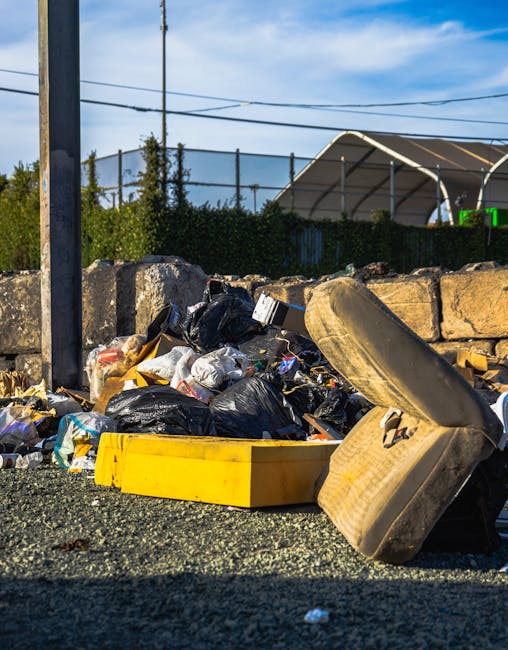
Commercial waste in Kings Langley is handled through a practical collection service for everyday business rubbish, from office bags and mixed general waste to recyclable paper, cardboard and certain bulky items that arise from trading premises. The service is built around routine removal rather than one-off disruption, so it suits organisations that need premises kept clear, work areas safe and bins or storage points managed in a predictable way.
We focus on the waste streams that commonly build up in shops, offices, workshops, hospitality spaces and managed buildings. That can include general commercial waste, recyclable materials, confidential paper for shredding, and selected furniture or appliance items where disposal is suitable. The aim is to keep the process straightforward: identify the waste type, match it to the right collection method and arrange removal in a way that fits the site.
If you need commercial waste removal in Kings Langley, start by deciding what must go, what can be separated for recycling and what needs special handling. A clear list makes the quotation process easier. If you are ready to compare options, request a quotation and describe the load as plainly as you can.
Business waste collections for mixed day-to-day rubbish
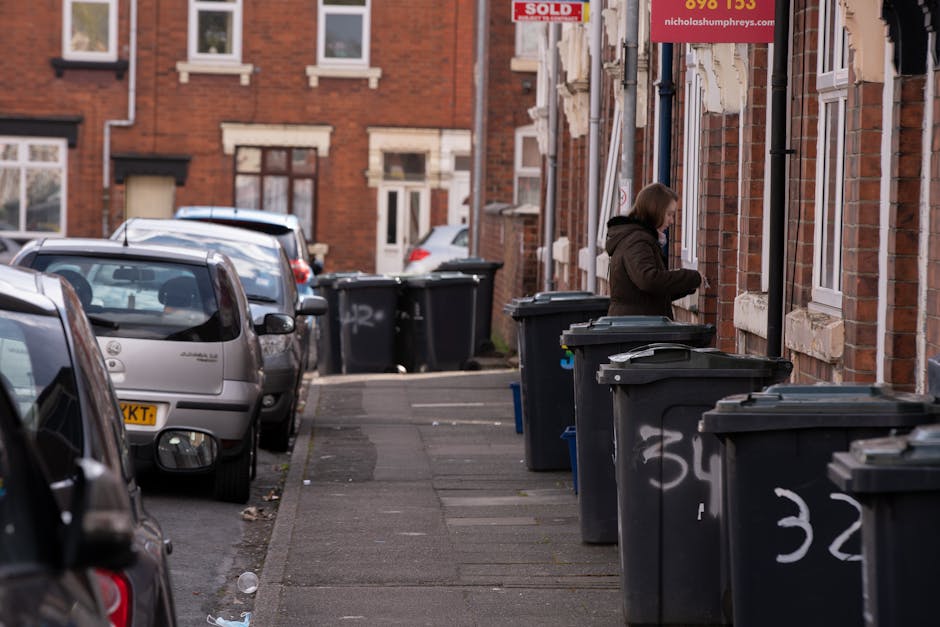
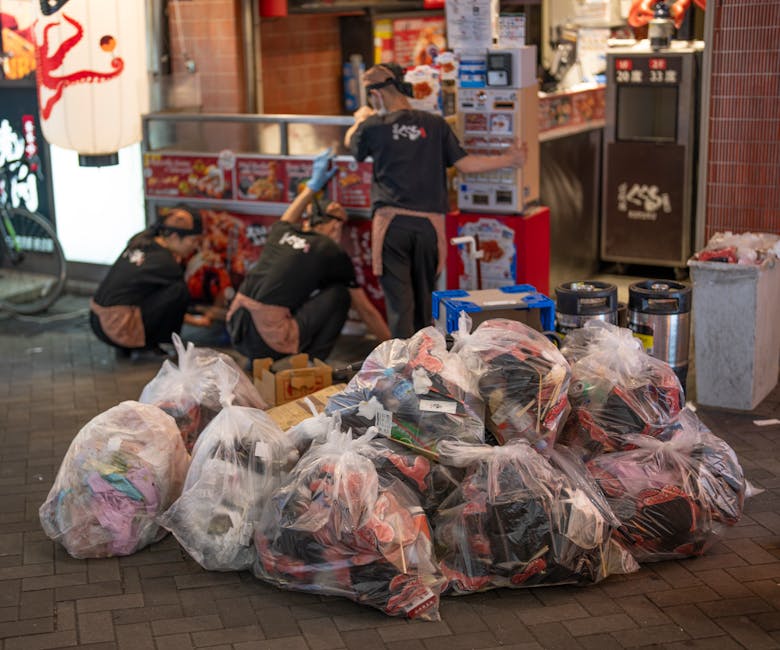
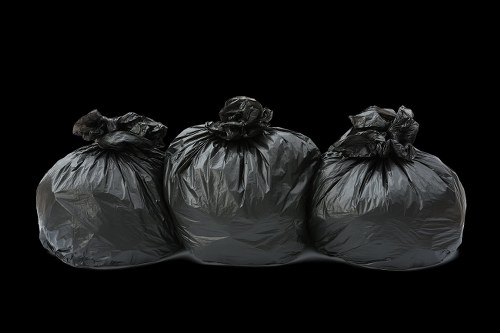
Regular business waste collections are the core service for many premises, especially where rubbish is produced steadily rather than in large occasional bursts. Mixed commercial waste may include packaging, disposable cups, office clutter, light shop waste, food-related refuse from staff areas and other non-hazardous materials that do not justify a specialist collection. Keeping that stream under control prevents overfilled storage areas and makes back-of-house spaces easier to manage.
For many customers, the key decision is whether the material can be separated before collection. Segregating cardboard, paper and clean recyclables can reduce unnecessary contamination and create a more efficient load. Where the waste contains a mixture of items, it is usually best to be honest about the composition rather than describe it as something simpler. Business waste removal is the most relevant starting point when the load comes from normal trading activity.
What is usually suitable for this type of collection
Typical business waste collections can cover sacks of general rubbish, flattened packaging, office waste, small dismantled fittings and other non-hazardous material produced during day-to-day operations. Some sites also need help with leftover stock packaging or the results of a tidy-up after a refit. The important point is to describe the waste accurately so the collection can be matched to the right vehicle and disposal route.
Office waste, paper handling and confidential material

Office waste removal often needs a little more structure than a simple clear-out because paper, archive boxes and confidential material can be mixed in with ordinary rubbish. Not every document-bearing load should be treated the same way. Some paperwork can go with general recycling, while confidential files and records usually need a secure destruction route. That distinction matters for businesses that handle customer data, contracts or internal records.
When office waste is being sorted, it helps to separate reusable items, recyclable cardboard and paper, and anything that requires secure disposal. We also deal with office furniture and other worn items where the furniture has reached the end of its use. If you are looking beyond a standard collection, office clearance is useful for larger clear-outs involving desks, chairs, cabinets and similar fixtures.
A good office waste plan usually begins with a rough inventory: how many sacks, how many boxes, whether shredding is required and whether there are bulkier items to load at the same time. Accurate descriptions are more helpful than guessing, because the right disposal method depends on the materials involved. Keep the enquiry simple and specific, and ask for a quotation once you know the main categories.
Furniture and appliance disposal from commercial premises
Many commercial collections involve more than loose rubbish. Premises often need furniture disposal after an office rearrangement, a lease handover, a retail refresh or a general reduction in surplus stock and equipment. Chairs, tables, desks, shelving and cabinets can often be removed together if access is suitable and the items are clearly described in advance. Larger items need more careful planning than sacks of waste because weight, lift access and dismantling may all affect the work.
Where a site has old domestic-style furniture in a staff room, waiting area or small rented office, disposal is usually simpler if the pieces are grouped together and photographed beforehand. For sofas and similar items, a dedicated route can be more appropriate than general waste. See mattress and sofa disposal if the load includes upholstered items that need separate handling. For mixed furnishings, furniture clearance covers broader removal work.
- Desks, work tables and shelving units
- Office chairs and seating
- Cabinets, drawers and storage units
- Reception furniture and waiting-area items
- Selected appliances where suitable and permitted
Recycling, sorting and sustainability in everyday waste work

Commercial waste is not only about lifting and loading. The way a load is sorted can affect what happens next, so recyclable streams deserve proper attention. Paper, cardboard, selected metals and some clean rigid plastics are often more suitable for recycling than for general disposal, provided they are kept reasonably uncontaminated. For businesses that produce packaging regularly, separating those materials at source can make collections tidier and more efficient.
If your waste includes a mix of recyclable and non-recyclable material, it is still worth identifying the main components rather than treating everything as one unsorted load. That applies especially to premises with recurring packaging waste, back-room storage or periodic stock changes. The broader approach to reuse and recycling is explained on recycling and sustainability, which sits alongside the practical collection service rather than replacing it.
Simple source separation usually works best. Keep cardboard dry, avoid mixing food waste into paper, and isolate anything that could contaminate a otherwise recyclable load. Even where a site cannot fully sort waste in advance, a clear description still helps determine how the collection should be handled. Requesting a quotation becomes easier once the main waste streams are identified.
Hazardous and specialist waste that needs extra care
Not all commercial waste belongs in a standard collection. Some materials need specialist handling because of their contents, condition or disposal rules. That can include certain chemicals, contaminated items, or waste that is regulated more tightly than ordinary office rubbish. A careful description is essential here, because the wrong assumptions can lead to delays or an unsuitable collection method.
For premises with unusual or potentially difficult waste, the first step is to identify the material honestly and check whether it is suitable for the service requested. If the waste is hazardous, the collection route may be different from a general commercial load. More detail on that category is available via hazardous waste disposal. For safer day-to-day planning, it is better to separate doubtful items before booking than to leave them mixed in with ordinary waste.
Examples of specialist loads can include contaminated containers, specific workshop residues or items that need controlled treatment at the point of disposal. We do not recommend guessing where such materials should go. Instead, make a note of the item type, quantity and condition. If you are unsure, ask for guidance before the work is booked and avoid combining hazardous pieces with standard rubbish.
Clearance work for stores, offices and other premises
Some customers need a collection for ongoing waste; others need a clearance that removes accumulated items from a room, unit or working area. Clearance work is broader because it can involve mixed rubbish, broken furniture, old fixtures and materials left behind after a move, reorganisation or temporary closure. That is a different task from regular bin emptying, even when the same premises generate both kinds of waste.
Where the requirement is a fuller emptying of a space, a more suitable service page may be home clearance for domestic-style contents or house clearance where the property type is residential rather than commercial. For a business property, however, the focus remains on what is actually on site: desks, stock-room items, fittings, waste sacks and any other approved material that needs to leave together.
Clearance work usually benefits from a simple staged approach. Identify what must stay, what will be reused, what is recyclable and what should be removed as waste. Keep the process realistic; not every item needs a separate decision, but bulky or restricted pieces do. A quotation is easier to prepare when the main categories are set out plainly.
About Kings Langley
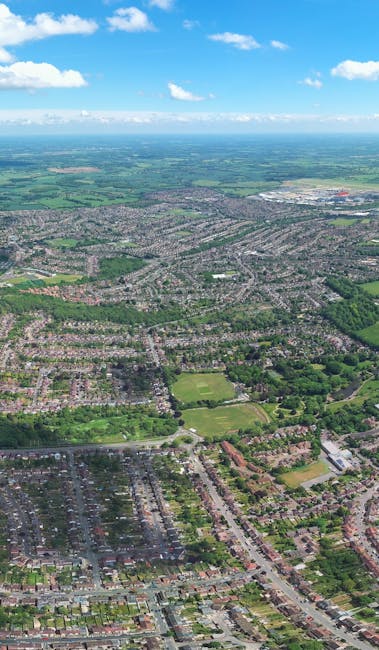
Kings Langley is a village and civil parish in Hertfordshire, positioned close to the River Gade and the valley landscape that runs through this part of the county. Its history is shaped by both medieval royal associations and later suburban growth, with the settlement’s name linked to the royal manor that once stood nearby. The modern village centre sits along the A4251 corridor and retains a compact character, while surrounding streets and developments spread into a wider residential and local commercial pattern. The Grand Union Canal passes through the area, adding a distinctive waterway edge to the landscape and connecting Kings Langley with the broader network of Hertfordshire and south-east England. In the historic core, the village retains a strong sense of continuity through its older buildings, parish church and long-established street pattern. The Church of All Saints is a prominent landmark, while the remains of the medieval royal complex lie to the north-east of the modern centre and are closely associated with the area’s royal past. Nearby, Kings Langley railway station provides a transport link that reinforces the village’s role as a commuter location as well as a local centre in its own right. The mix of canal, valley, historic lanes and later housing gives the place a layered character rather than a single uniform identity. Community life is also visible in the schools, local clubs and village-focused events that help preserve Kings Langley’s separate identity despite its proximity to larger neighbouring settlements.
What to include when asking for a quotation

A useful quotation request is concise but specific. State the type of business, the waste category, the approximate volume and whether the material is loose, bagged, boxed or bulky. Mention any access issues such as stairs, narrow corridors, loading restrictions or limited parking. If the load includes a mixture of recyclables and general rubbish, say so clearly so the collection can be planned properly.
Photographs can help when a load is awkward, but they should support a short written description rather than replace it. If you are arranging regular collections, note how often waste builds up and whether the pattern changes during busy periods. For one-off clear-outs, tell us what remains on site after the removal so the work is scoped accurately. Pricing and quotes may help you understand how the service is approached before you send details.
Two things usually make the process smoother: clarity about what needs collecting and honesty about anything unusual. If something might require special handling, say so in the first message. That way the quotation is based on the actual job rather than an assumption. Please request a quotation when you are ready and include the main facts in one message.
Booking, collection planning and supporting business operations
Commercial waste work is often easiest when it is tied to a simple routine. Some premises need recurring collections for sacks and recycling, while others need sporadic clearances after stock changes, refurbishments or office moves. The best arrangement depends on the pace of waste generation, the available storage space and the level of sorting carried out on site. Matching the collection style to the workload can reduce clutter and keep staff areas easier to manage.
If you have a business with multiple waste streams, it is worth checking whether separate containers or grouped loads will be more practical. For instance, cardboard may stay dry and easy to recycle while mixed rubbish accumulates in another place. Selected items can also be separated for shredding or furniture disposal rather than thrown into a general load. Where the job becomes more like a complete premises clear-out, waste removal is a broader starting point for arranging the right service.
We also deal with the practical side of access and loading. A straightforward arrangement works best when routes are kept clear, items are grouped together and the collection point is described accurately. That keeps the service efficient without adding unnecessary complexity. If your premises need a repeatable plan, or if you are simply clearing a backlog, the same basic rule applies: describe the waste first, then choose the most suitable collection method.
Other clearances and related waste types
Some commercial customers also deal with items that sit between standard office rubbish and a dedicated specialist waste type. A garage or storage room may contain mixed accumulated material; a back office may include old fixtures; a retail unit may have a combination of packaging, broken display pieces and surplus stock. Where the contents are mixed, the best outcome usually comes from a clear description of the main categories rather than trying to force everything into one label.
Related services can sometimes help when the load has a more specific character. For example, garage clearance is relevant where storage spaces are full, while flat clearance is more suited to smaller residential-style clear-outs. If the premises include appliances, fridge and appliance removal covers items that need a dedicated disposal route rather than a generic waste collection.
To finish, think about the most useful result for the site: a tidy work area, cleared storage, separated recyclables or the removal of obsolete items that have been in the way for too long. Once that outcome is clear, the quotation process becomes much easier. If you need commercial waste in Kings Langley, send the details for a quotation and we can match the collection to the load.