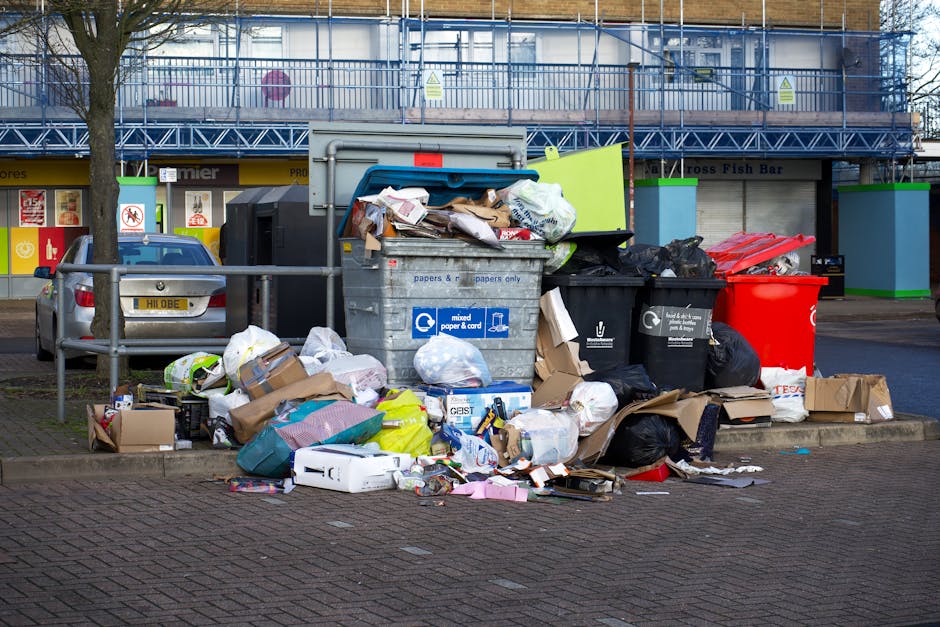
Guide to Dacorum Council waste rules for Kings Langley residents

If you live in Kings Langley, waste rules can feel straightforward right up until they suddenly aren't. One week it's a normal bin day, the next you're wondering whether a broken chair, garden cuttings, or a bag of DIY rubble can go out with the rest. This Guide to Dacorum Council waste rules for Kings Langley residents pulls the main points together in plain English so you can avoid missed collections, fly-tipping headaches, and those annoying little mistakes that turn into bigger problems.
We'll walk through how local collection rules generally work, what to do with common household items, where people often go wrong, and how to think sensibly about bulky waste, recycling, and special items. Truth be told, most waste issues are caused by one of two things: not sorting properly or assuming "it'll be fine." Usually, it won't be. Let's make it easy.
Why Guide to Dacorum Council waste rules for Kings Langley residents Matters
Waste rules matter because they affect everyday life more than people expect. A bin that isn't presented correctly may be left behind. A recycling mistake can contaminate the whole load. A sofa left on the pavement at the wrong time can become a nuisance for neighbours, and in some cases, a liability for the person who placed it there.
In Kings Langley, most residents want the same thing: a tidy home, smooth collections, and no fuss. That's fair enough. But local waste rules are there to keep streets clear, reduce pest problems, and make sure recyclable material is handled properly. When you understand the basics, you save time and avoid unnecessary stress. You also tend to waste less. Little things add up.
There's also a practical money angle. If you sort waste properly the first time, you're less likely to need repeat trips, special collections, or emergency removals. That can make a real difference during a house clear-out, a garden project, or a last-minute move. And if you ever use a private waste carrier, knowing what can and cannot go in the load helps you avoid refusal or extra charges. Simple, but important.
How Guide to Dacorum Council waste rules for Kings Langley residents Works
The basic idea is quite simple: different waste streams need different handling. General rubbish, mixed recycling, food waste, garden waste, bulky items, electricals, and hazardous items are not treated the same way. Some are collected through regular household services; others need separate arrangements or specialist disposal.
For Kings Langley residents, the most sensible starting point is to think in categories:
- General waste for items that cannot be recycled through standard household collections.
- Mixed recycling for accepted clean dry recyclables such as certain plastics, cans, tins, paper, and card, depending on local guidance.
- Food waste where separate food collection is offered.
- Garden waste for green cuttings, leaves, and other organic material if a separate service is available.
- Bulky waste for items like furniture or larger household goods that won't fit in a bin.
- Special waste such as fridges, appliances, sharps, chemicals, and other hazardous material.
The exact collection arrangement can change over time, so the safest habit is to check the current local instructions before putting anything out. That sounds obvious, but people often skip this step and then wonder why the collection crew passed by. To be fair, it's easy to do when you're busy and the bin is already half full.
If you are dealing with a larger clear-out, it can help to plan the waste in stages rather than chuck everything into one mountain of mixed stuff. For example, a loft clear-out might include cardboard boxes, broken lamps, old magazines, textiles, and a couple of awkward items like a mattress or small appliance. Splitting those categories up makes disposal much easier, and often cleaner too.
Key Benefits and Practical Advantages
Following the rules is not just about avoiding a warning sticker on the bin. There are proper day-to-day benefits, especially for busy households.
- Fewer missed collections: Correctly sorted waste is more likely to be taken first time.
- Cleaner streets and driveways: Proper presentation reduces spillages, bags tearing, and windblown litter.
- Less contamination: Recycling works better when food, nappies, and black bag waste are kept out of the recycling stream.
- Lower hassle during clear-outs: If you know what belongs where, moving house or clearing a garage becomes much less chaotic.
- Better neighbour relations: Nobody enjoys looking at piles of waste or overspilling bins for days on end.
There's a quieter benefit too: you become more confident deciding what to do with odd items. A cracked microwave, a bag of hedge clippings, a rusty bike frame-once you get used to the system, these stop being annoying "what now?" objects and become easy decisions. That reduces delay, and delay is where mess tends to grow.
If you're making bigger household changes, it's worth understanding related services as well. For instance, a full clear-out often involves more than bin collections alone, which is why some residents also look at house clearance options, home clearance support, or loft clearance when the job becomes too bulky for ordinary bins. That's not overkill; it's just realistic.
Who This Is For and When It Makes Sense
This guide is for anyone in Kings Langley who wants to dispose of waste properly without overcomplicating things. That includes first-time homeowners, families with lots of recycling, landlords, tenants, small businesses, and people tackling long-overdue decluttering jobs. If you've got a garden, a garage, a loft, or even just a very full hallway cupboard, you're probably in the right place.
It makes particular sense if you are:
- sorting out weekly household waste and recycling
- preparing for a move or tenancy handover
- clearing builders' mess after a home project
- getting rid of broken furniture or a mattress
- disposing of garden waste after pruning or landscaping
- trying to avoid fly-tipping or unsafe dumping
There's also a business angle. If you run a small office, shop, or work-from-home setup, waste piles up in odd ways. Old printers, packaging, confidential paper, and office furniture all need a slightly different approach. In those cases, a dedicated business waste removal service may be more practical than trying to shoehorn everything into domestic bins.
And if you're stuck with awkward items, such as a damaged fridge, old sofa, or broken washing machine, it may be smarter to use specialist help rather than leaving the item sitting around for a week or two. We've all seen that one chair in the hallway that somehow becomes permanent. No judgement, but it happens.
Step-by-Step Guidance
Here's a simple way to handle waste in Kings Langley without making it harder than it needs to be.
- Sort the waste into clear categories. Separate general rubbish, recycling, food waste, garden waste, bulky items, and anything unusual.
- Check what the local collection will actually take. Don't assume. A quick check can save a wasted journey to the kerb.
- Keep recycling clean and dry. Rinse if needed, flatten cardboard, and remove obvious contamination.
- Bag or bundle items sensibly. Loose waste is more likely to blow around or be missed.
- Put bins out at the correct time. Early evening or the night before is usually easiest, depending on collection day and local advice.
- Keep access clear. Collection crews need a safe route to bins and waste sacks.
- Arrange a separate solution for bulky or specialist items. Furniture, appliances, and hazardous waste usually need another route.
If you are disposing of larger items, think about whether you need a one-off clearance instead of many small trips. A quick example: if you're replacing a spare room bed, a wardrobe, and a stack of old boxes, that is rarely a job for the normal bin. It's the kind of situation where a dedicated service can save you three car journeys and a lot of swearing in the driveway.
For items like old appliances, it is also worth checking whether a specialist collection is the safest option. A damaged fridge or freezer is not just bulky; it may contain components that need careful handling. If that sounds familiar, fridge and appliance removal can be a practical route.
Expert Tips for Better Results
Over time, the households that do waste well tend to share a few habits. Nothing fancy. Just sensible routines.
- Use one "sorting spot" indoors. A small corner with labelled boxes or bags for recycling, general waste, and donations saves a lot of muddle.
- Don't mix food with recycling. A greasy pizza box can spoil an otherwise good stack of cardboard. Annoying, but true.
- Break down bulky items before collection day. Flatten boxes, take lids off, and dismantle what you safely can.
- Keep hazardous bits separate from day-to-day rubbish. Paint, chemicals, batteries, and sharp items should never be treated casually.
- Plan around weather. Wet cardboard, soggy paper, and garden bags in the rain can become heavier and messier than expected.
A useful little trick: before you start a clear-out, do a quick "keep, recycle, donate, dispose" pass. It stops you from dragging every single item into the same pile. Also, it feels satisfying. A bit like clearing your desk at 5pm on a Friday. Quietly brilliant.
If you know you'll be getting rid of furniture, it helps to understand the removal path before you begin. Some items can be reused, some broken down, and some need specialist disposal. Options like furniture disposal or mattress and sofa disposal can be more efficient than trying to work around bin limitations.
Common Mistakes to Avoid
Most waste problems come from a handful of predictable mistakes. The good news? They're easy to avoid once you know them.
- Overfilling bins. Lids that won't close often mean the bin won't be emptied.
- Leaving loose items next to the bin. Bags on the side are often not collected.
- Contaminating recycling. Food, nappies, soft furnishings, and general rubbish in the recycling bin can ruin the load.
- Putting out banned or hazardous items. Batteries, liquids, chemicals, sharps, and similar items need specialist treatment.
- Dumping waste on pavements too early. It can create obstruction, attract attention for the wrong reasons, and upset neighbours.
- Assuming bulky waste is automatically accepted. It often isn't unless you've arranged it properly.
A common one is garden waste. People prune a hedge, fill a few sacks, and then assume everything green is fair game. But woody branches, soil, grass, invasive plants, and mixed rubble may all need handling differently. If you've got a decent pile after landscaping, a specialist garden clearance service can be a simpler solution than trying to force it through ordinary collections.
Another mistake is leaving confidential papers in general waste. It is not just untidy; it can be risky. If you are clearing an office or home workspace, confidential shredding is worth considering rather than taking chances with personal data. That little pile of paperwork on the table? It always seems smaller than it really is.
Tools, Resources and Recommendations
You do not need a toolbox full of specialist gear to manage waste properly, but a few basic tools help a lot:
- strong bin bags that won't split
- labelled storage boxes for sorting
- gloves for garden waste or dusty clear-outs
- dust sheets or old towels to protect floors
- a hand trolley for heavier items
- marker pens and tape for labelling boxes clearly
As a practical recommendation, keep a simple household waste routine rather than waiting for everything to become urgent. A ten-minute sort once a week is much easier than a Sunday panic with three overflowing bags and nowhere to put them. We've all been there at some point. The smell alone can make a person reconsider their choices.
For residents who need help with larger clearances, it may be useful to compare services and understand pricing before you book anything. A transparent pricing and quotes page can help you judge what is likely to be included, while a reliable waste removal service may suit mixed or awkward loads better than multiple trips to a disposal point.
If sustainability matters to you, pay attention to reuse and recycling before disposal. Some items should be kept in circulation where possible. The environmental gain is real, and it usually makes the clear-out feel more worthwhile too. For a lot of people, that matters.
Law, Compliance, Standards, or Best Practice
Waste management is not just a household convenience issue; it is also a compliance issue. In the UK, waste is generally expected to be stored, presented, transported, and transferred responsibly. That means you should avoid fly-tipping, ensure waste is handed to legitimate carriers, and make sure special items are handled safely.
For residents, the key best-practice principles are fairly simple:
- Use approved collection methods rather than leaving items in public spaces.
- Keep recyclable material clean where possible so it can be processed properly.
- Separate hazardous items and treat them with extra care.
- Use a reputable waste contractor for bulky or non-household waste.
- Retain proof of proper disposal where appropriate for larger clear-outs or business waste.
If a project involves building work, renovation debris, or mixed rubble, you should be especially careful. Builders' waste, plasterboard, broken tiles, timber, and heavy packaging can all fall outside ordinary domestic disposal habits. In those cases, it can help to check a dedicated builders waste clearance option or use clear guidance on what can go in a skip if you are hiring one.
And yes, regulations can sound dry. But the point is straightforward: responsible disposal protects your street, your neighbours, and your own peace of mind. That's the real standard, frankly.
Options, Methods, or Comparison Table
Different waste problems call for different solutions. Here's a practical comparison of the main options Kings Langley residents tend to consider.
| Option | Best for | Strengths | Watch-outs |
|---|---|---|---|
| Normal household collections | Regular weekly rubbish and recycling | Simple, familiar, low effort | Not suitable for bulky, hazardous, or mixed clearance waste |
| One-off bulky collection or specialist disposal | Furniture, appliances, mattresses, awkward items | Convenient, avoids multiple trips | Needs correct preparation and may have item restrictions |
| Skip hire | DIY, garden work, renovation debris | Good for larger volumes, loaded at your pace | Need to understand allowed materials and placement rules |
| Full waste removal service | Mixed household clear-outs and large piles | Fast, flexible, suitable for heavy lifting | Choose a provider carefully and confirm what is included |
The right option usually depends on volume, weight, urgency, and how much lifting you want to do yourself. If you only have a few tidy bags, regular collections are fine. If you've got a full garage of old furniture and damp cardboard, it's a different story. Be honest with yourself at the start. It saves time later.
Case Study or Real-World Example
Picture a Kings Langley homeowner getting ready for a small kitchen refresh. The old units have been removed, and suddenly the hallway is full of packaging, offcuts, a broken toaster, an old microwave, and two chairs that were "only meant to stay temporarily." By Thursday evening, the rubbish starts to feel like a project of its own.
Here's how that kind of job usually goes well:
- cardboard is flattened and kept dry
- general household waste is bagged separately
- the toaster and microwave are set aside for appliance handling
- the chairs are checked to see whether they're reusable or just disposal items
- any dust, plaster, or small rubble is kept out of standard bins
In a case like that, the household has two good choices: work through the different waste categories slowly, or book a dedicated clearance service and get the whole lot dealt with in one go. If the job is time-sensitive, the second route is often less stressful. The hallway stops looking like a storage unit, which is always a nice moment.
That same logic applies to lofts, garages, and outbuildings. Once an area has been ignored for a while, it usually contains a strange mix of items. That's normal. The trick is not to treat every item the same. A little judgement goes a long way.
Practical Checklist
Use this quick checklist before your next collection day or clearance project:
- Have I separated general waste, recycling, food waste, garden waste, and bulky items?
- Have I checked the current local collection guidance for anything unusual?
- Are all recycling items clean and dry enough to be accepted?
- Are bins closed properly and not overfilled?
- Have I kept hazardous items away from ordinary bins?
- Are cardboard boxes flattened and bulky packaging broken down?
- Do I need specialist help for furniture, appliances, or DIY waste?
- Is the collection area clear and safe to access?
- Have I kept personal papers or confidential documents separate?
- Do I know what I'm doing with anything that cannot go in the bin?
If you can tick most of those off, you're in good shape. If not, no drama. It just means you'll probably save time by sorting things once before putting them out. That one small pause can prevent a lot of back-and-forth later.
Conclusion
Good waste management in Kings Langley is mostly about clarity, routine, and knowing when a normal bin is not the answer. Once you understand the basics of sorting, presentation, and specialist disposal, the whole system becomes much easier to live with. Less confusion, fewer missed collections, and far less clutter hanging around longer than it should.
For many households, the biggest win is simply getting started. Clear one corner, sort one cupboard, flatten one pile of cardboard. Then keep going. That steady approach usually beats a frantic all-day clear-out, and it feels better too. A bit calmer. A bit more in control.
Get a free quote today and see how much you can save.
And if you're facing a larger clear-out than your weekly bins can handle, it may help to read more about the team behind the service before deciding what level of support suits your situation. Either way, sorting waste properly is one of those small jobs that makes the whole house feel lighter.
Frequently Asked Questions
What is the main purpose of Dacorum Council waste rules for Kings Langley residents?
The main purpose is to make sure waste is collected safely, recycled properly where possible, and kept out of public spaces unless it is presented in the correct way. It also helps reduce mess, pests, and confusion on collection day.
Can I put any recyclable item in the recycling bin?
No. Recycling rules usually depend on the type of material and how clean it is. Food, heavily soiled packaging, and mixed non-recyclable items can contaminate the whole load, so it's best to keep recycling clean and dry.
What should I do with bulky items like sofas or wardrobes?
Bulky items usually need a separate collection or specialist disposal route. Furniture often cannot go out with standard household waste, so using a dedicated furniture service is often simpler and more reliable.
Can garden waste go in my normal household bin?
Small amounts may sometimes be accepted in general waste depending on the item and service rules, but garden cuttings, branches, and larger volumes are usually better handled through a separate garden waste route or clearance service.
What happens if my bin is overfilled?
Overfilled bins may not be emptied, especially if the lid cannot close properly. Loose bags beside the bin are also commonly left behind. Keeping waste compact and contained avoids that problem.
Are electrical items treated differently from normal rubbish?
Yes. Small appliances, fridges, microwaves, and similar items often need special handling because they contain components that should not be put in ordinary bins. Specialist appliance removal is usually the safer option.
Do I need a waste removal service for a house clearance?
If the clear-out is large, mixed, or physically awkward, a waste removal service can be much easier than relying on routine collections. It's especially useful when you have furniture, loft clutter, or garage contents to remove.
What is the safest way to get rid of confidential papers?
Keep them separate from general rubbish and use a secure shredding solution. That reduces the risk of personal information being exposed, which is especially important for paperwork from home offices or business use.
How do I avoid mistakes on collection day?
Sort waste into categories in advance, check what the service accepts, and keep bins easy to access. It sounds basic, but that preparation stops most collection-day problems before they start.
Is skip hire or waste removal better for renovation waste?
It depends on volume, material type, and how much loading you want to do yourself. Skip hire works well when you can load over time, while waste removal is often better when you want the heavy lifting handled for you.
What is the biggest mistake people make with waste rules?
The biggest mistake is assuming that anything can go in the nearest bin if it's hidden inside a bag. Different waste streams need different treatment, and mixing them usually causes more trouble than it saves.
Where should I start if I'm overwhelmed by clutter?
Start with one area and one category. For example, separate cardboard first, then set aside anything reusable, then deal with bulky or specialist items. Small wins make the whole thing feel far less daunting. Honestly, that first cleared corner can be a lovely moment.